How to Write a Healthcare Resume Objective That Gets Noticed
Your resume objective is the first thing hiring managers see. Learn how to craft a clear, specific statement that highlights your healthcare qualifications and shows exactly how you can contribute to patient care.
Why Your Opening Lines Matter
In healthcare hiring, managers often review dozens of resumes for each open position. They spend mere seconds scanning each one before deciding whether to read further. This means your opening statement needs to work hard—it must communicate your target role, relevant credentials, and the value you bring, all within one or two concise sentences.
A generic objective like "Seeking a position in healthcare where I can help people" tells hiring managers nothing useful. Instead, your opening should speak directly to the specific role you're pursuing, whether that's as a registered nurse, medical assistant, certified nursing assistant, or another healthcare professional.
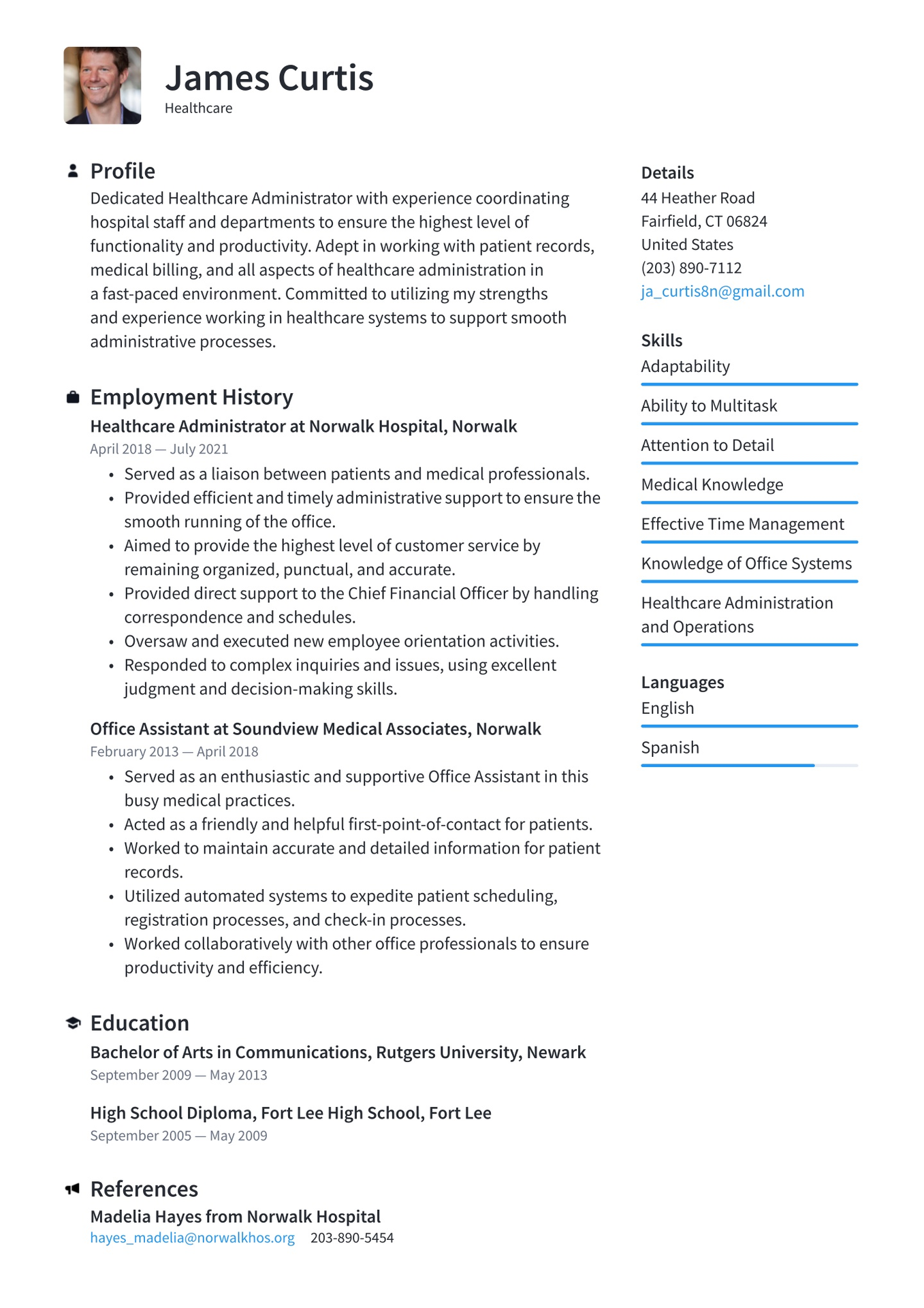
For additional insights on crafting resumes that stand out in competitive healthcare markets, check out our detailed resume writing strategies that cover everything from formatting to keyword optimization.
The Simple Formula for Success
The most effective healthcare resume objectives follow a straightforward three-part structure. This framework helps you include the right information without rambling or repeating yourself.
| Component | What to Include | Example |
|---|---|---|
| Target Role | The exact position you're seeking | Medical Assistant |
| Credibility | Relevant license, certification, or experience | BLS-certified, 2 years outpatient care |
| Value | How you contribute to patient care or operations | Accurate documentation, patient communication |
Put together, this formula produces statements like: "BLS-certified Medical Assistant with two years of outpatient experience seeking to support a primary care team through accurate patient intake, thorough documentation, and clear communication."
Resume Objective Examples by Role
Different healthcare positions require different emphasis. Here are proven examples for common roles, each tailored to demonstrate relevant skills and experience.
"Licensed RN with experience in patient assessment, medication administration, and care coordination. Seeking to apply clinical judgment and compassionate communication to support safe, effective patient outcomes."
This example works because it leads with relevant clinical experience while connecting to the behavioral qualities that matter in nursing—judgment and communication.
"Compassionate CNA with hands-on experience assisting residents with daily living activities, mobility support, and vital signs monitoring. Looking to bring attentive care and reliable shift support to a long-term care team."
The focus here is on concrete CNA responsibilities rather than vague statements about caring. It shows what you actually do, not just how you feel about doing it.
"Detail-oriented Medical Assistant experienced in patient intake, vital signs, appointment flow, and EHR documentation. Seeking to contribute organizational skills and professional communication to a busy primary care practice."
Medical assistants often balance clinical and administrative duties. This example demonstrates both areas while emphasizing the organizational strengths that keep practices running smoothly.
"Healthcare administrative professional with background in scheduling, insurance verification, and patient coordination. Seeking to support practice efficiency through organized workflows and responsive service."
Administrative roles require different skills than clinical positions. This example clearly targets back-office work without implying direct patient care responsibilities.
When to Use an Objective vs. a Summary
Not every healthcare professional should use the same approach. Your work history should guide this decision.
Use an objective if you're entering healthcare, changing specialties, returning to the workforce, or targeting a very specific position. An objective positions you for a particular role when your background doesn't speak for itself.
If you have extensive relevant experience and notable accomplishments, consider a professional summary instead. Summaries let you lead with your strongest qualifications and achievements, making them more impactful for senior positions. You can find more guidance on our professional resume resources to help you decide which approach works best for your situation.

Common Mistakes to Avoid
Even small errors in your resume objective can send your application to the bottom of the pile. Watch out for these frequent issues.
Being Too Generic
"Seeking a challenging position in healthcare where I can grow."
This tells employers nothing about your background or goals. Replace vague language with specific details about your target role and relevant qualifications.
Relying on Personality Traits
"Compassionate, hardworking healthcare professional dedicated to patient care."
Personality words are hard to verify. Let your experience section demonstrate these qualities through specific examples of patient interactions, documentation accuracy, or teamwork.
Overstating Qualifications
"HIPAA expert" or claiming certifications you don't hold.
Never claim licenses, certifications, or clinical procedures outside your actual training. Hiring managers verify credentials, and misrepresentation can disqualify you immediately.
Using One Objective for Every Application
Sending the same generic objective to all positions.
At minimum, customize the job title, healthcare setting, and most relevant skills for each application. Even small changes show genuine interest in the specific role.
Keywords That Actually Matter
Keywords in your resume objective should come from the actual job posting and reflect your real experience. Don't add clinical terms simply because they appear frequently in job descriptions.
- Patient care roles: Patient intake, vital signs, care coordination, activities of daily living (ADLs)
- Clinical support: EHR systems, charting, medication administration, infection control protocols
- Administrative: Scheduling, insurance verification, referral management, front-desk communication
- Compliance: Privacy procedures, HIPAA requirements, safety protocols
Important: Only include keywords you can support with evidence elsewhere in your resume. If you mention "EHR documentation," your experience section should show actual examples of your work with electronic health records.
Pre-Submission Checklist
Before you send your resume, review these key points to ensure your objective and supporting content align.
Final Review Points
- Does the objective clearly identify your target healthcare role?
- Have you included relevant licenses, certifications, or training?
- Do your keywords match both the job posting and your actual background?
- Is your objective concise—one or two focused sentences?
- Does your experience section provide evidence for every claim in your objective?
- Have you customized the objective for this specific position?
- Did you follow the employer's requested file format?
Frequently Asked Questions
Key Takeaways
- Lead with the specific role you're targeting, not generic healthcare language
- Include relevant credentials, certifications, or experience upfront
- Show value by describing how you contribute to patient care or operations
- Keep it concise—one or two focused sentences work best
- Customize for each application to match the specific job posting
- Let your experience section support every claim you make
Putting It All Together
A strong healthcare resume objective sounds like your real background aimed at one real job. It should feel specific and authentic, not like a template you found online. Take time to tailor your objective for each application, ensuring it reflects both the position requirements and your actual qualifications.
For additional guidance on creating a complete healthcare resume, explore our professional resume resources that cover everything from formatting to interview preparation.